
Choosing a rubber sports floor for your gym: thickness, tiles, or rolls?
Written by Erik Martens, co-founder of Fitnessdepot
A rubber sports floor protects your subfloor, absorbs sound, and provides grip during workouts. When choosing, pay attention to the thickness, the type of training, tiles or a rolled floor, and the finish. The floor is the foundation of your gym: everything placed on it will stay there for years.
What thickness do you need?
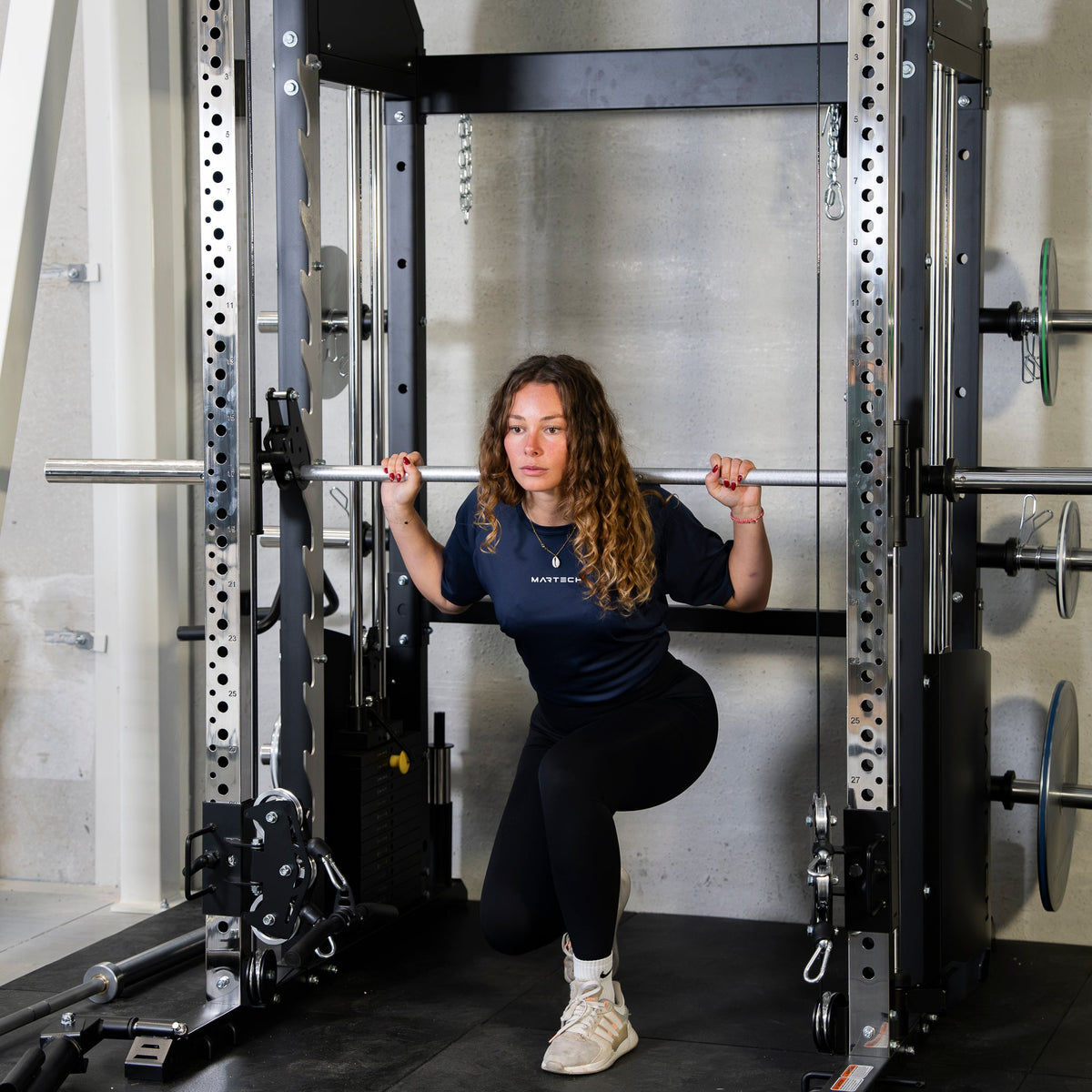
The right thickness depends on what you do. If you mainly train with machines and cardio, a thinner floor is sufficient. If you drop dumbbells or a loaded barbell, choose a thicker floor that absorbs impact better. For heavy deadlifts and Olympic lifting, you often work with an extra-thick zone or a lifting platform.
Tiles or a rolled floor?
- Tiles are easy to install, replace, and move with you. Ideal for home gyms, garages, and smaller spaces.
- A rolled floor creates fewer seams and is faster to install in large spaces such as corporate gyms and fitness centers.
- Interlocking or puzzle tiles fit together seamlessly and stay firmly in place without glue.
Color and finish
Solid black looks sleek and professional. Tiles with gray or blue specks provide a more vibrant look and better hide dust and scratches. An easy-clean finish makes maintenance simpler, which is especially important in practices, hotels, and corporate gyms.
The subfloor and the edges
A flat, dry subfloor is important. On concrete or tiles, you simply lay the floor down; on parquet, you provide extra protection for the subfloor. Finish the edges with ramped borders so no one trips and the floor blends nicely with the rest of the room.
Install yourself or have it installed?
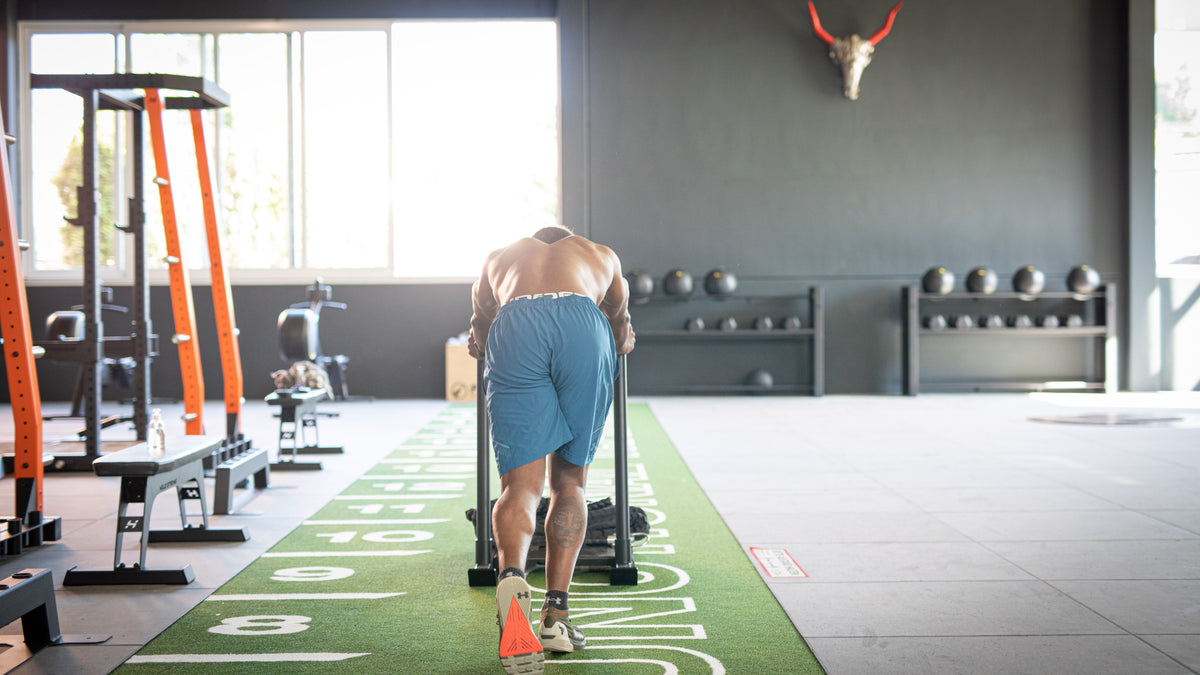
You can easily install tiles yourself. For larger spaces, custom work around pillars, doors, and heating, or a sprint track that needs to be glued down, it is better to have the floor installed. Our team measures, cuts to size, and connects the tiles.
How much does a rubber sports floor cost?
Our easy-clean tiles of 100 x 100 x 2 cm cost from € 44.95 per tile, which is per square meter:
- Pure black or black with gray speck: € 44.95
- Blue speck or dark gray connect: € 49.95
- Stone connect: € 54.95
Add connectors and ramped profiles. Prices as listed on our webshop on October 30, 2026.
What we see in practice
Customers often choose a floor that is too thin to save money, and later end up laying a thicker zone under the rack anyway. It is better to choose the right thickness immediately for the zone where you train heavily. Also read more about our partnership with VB Rubber.
Frequently Asked Questions
What sports floor thickness do I need for a home gym?
For machines and cardio, a thinner floor is sufficient. If you train with free weights that you drop, choose a thicker floor, especially under your rack.
Can I lay a rubber sports floor over parquet?
Yes, the flooring protects your parquet. Just ensure a flat, dry subfloor and seek advice if you are in doubt.
How many tiles do I need?
Tiles measuring 1 by 1 metre are easy to calculate: one tile per square metre, plus a little extra for cutting around corners and doors.
Do you also install the sports flooring?
Yes, we measure, cut to size and install the flooring, also in combination with the delivery of your equipment.
Also read: Buy a power rack · Buy a treadmill · How to build the ideal home gym?
View our rubber tiles and sports flooring or request a free space analysis.